Industry Insights: Key Themes and Takeaways from the Beer Marketers Insights Seminar
Source: RBC Capital Markets
Although we did not attend this year’s Beer Marketers Insights Seminar, RBC’s coverage of the event provides valuable perspective on the current state of the U.S. beer industry. The discussion featured leaders from top beverage companies, including Bill Newlands (Constellation Brands), Brian Feiro (Molson Coors), Laura Merritt (Diageo Beer), and Clement Pappas (Stateside Brands, Surfside).
Speakers painted a cautious picture of the market, highlighting soft shipment trends, shifting consumer spending habits, and the growing importance of innovation, pricing strategy, and value positioning.
Beer Industry Volumes at Multi-Decade Lows
Industry data shared during the seminar suggests that U.S. beer shipments are down roughly 5% year-to-date, marking a third straight year of mid-single-digit declines. If the trend continues, total volumes could reach levels last seen in the 1980s.
Executives agreed that the environment remains challenging, emphasizing the need to “control the controllables.” Many companies are leaning into stronger brands, tighter cost management, and incremental innovation to offset headwinds.
For the first time since 2009, imported beer is expected to lose market share, primarily due to softer spending among Hispanic consumers. Flavored malt beverages (FMBs) have also slipped into decline after years of growth, though analysts still see long-term potential due to flavor diversity and convenience.
Growth Drivers: Ready-to-Drink Beverages and Non-Alcoholic Options
While traditional beer volumes have struggled, the seminar highlighted several bright spots. Ready-to-drink (RTD) products—especially spirits- and wine-based options—continue to post strong growth. These segments are primarily distributed by beer wholesalers, providing a lifeline for many in the category.
Top-performing brands include High Noon, Surfside, Sun Cruiser, BeatBox, Cutwater, and BuzzBallz. When beer sales are combined with wine and spirits RTDs, total category dollar sales are down only 1.5% year-to-date versus a 3.2% drop in beer alone.
The non-alcoholic beer segment also remains a key growth driver, now accounting for 1.3% of the category. Leaders include Athletic Brewing and Michelob Ultra Zero, which together represent about two-thirds of the segment’s recent growth. Constellation Brands has also expanded its non-alcoholic portfolio with Corona NA and plans to launch Modelo Chelada Limón y Sal NA.
Pricing, Packaging, and Value Positioning
Given the economic pressure on U.S. consumers, pricing and package innovation were major discussion points. Speakers noted that sub-premium beers are gaining share for the first time in years. Companies are responding by adjusting pack sizes and introducing new value-oriented SKUs.
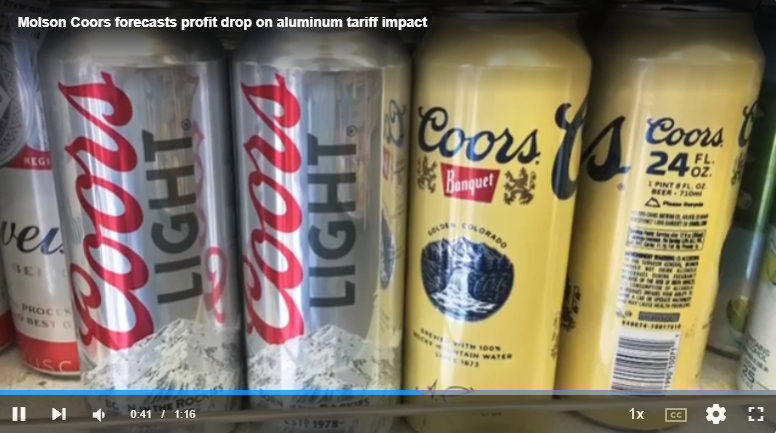
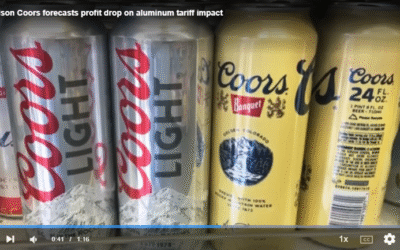
Constellation Brands (STZ) plans to expand its lower-priced offerings, while Molson Coors (TAP) is refocusing on value labels such as Keystone Light. The consensus is clear: flexibility in price and pack architecture will be key to competing in 2026.
Brand Updates: Constellation and Surfside
Bill Newlands, CEO of Constellation Brands, reiterated that economic pressures—especially among Hispanic consumers—remain the company’s largest challenge. Approximately 40% of its beer business serves this demographic. Declines in construction jobs have added strain, particularly for Modelo in California.
Despite these challenges, Constellation continues to invest in marketing, brand health, and product innovation. The company reported positive traction for Corona Sunbrew, which has been 60% incremental to the brand. Adjustments to pricing for Modelo Oro and Corona Premier are showing early signs of improved volume performance.
Meanwhile, Clement Pappas of Surfside described the hard tea segment as being in a “gold rush” phase, with new entrants rapidly entering the market. Pappas expects the category to consolidate around three leading brands, citing Sun Cruiser as a clear number two behind Surfside.
Surfside’s management plans to expand its lineup with new flavors, a variety pack, and a 19.2-ounce single-serve format for convenience retail—moves that could challenge Twisted Tea in select markets. The company intends to stay disciplined, focusing on vodka-based teas and non-carbonated innovation.
Outlook: Slow Recovery, Shifting Consumer Landscape
According to RBC’s summary, most speakers expressed cautious optimism for 2026. Industry leaders do not expect a major turnaround but anticipate gradual stabilization as pricing normalizes and new product formats attract incremental consumers.
The consensus takeaway: growth will depend on innovation, disciplined pricing, and diversification into adjacent categories like RTDs and non-alcoholic beverages.
Resources:
IWSR: Global Beverage Alcohol Trends 2025
NielsenIQ: 2024 Beverage Alcohol Year in Review
Beverage Marketing Corporation: U.S. Alcohol Beverages Trend Report 2025